
About Tacitura
Tacitura exists because I have lived the consequences of getting critical technical decisions wrong—and learned how powerful it is when they are made well.
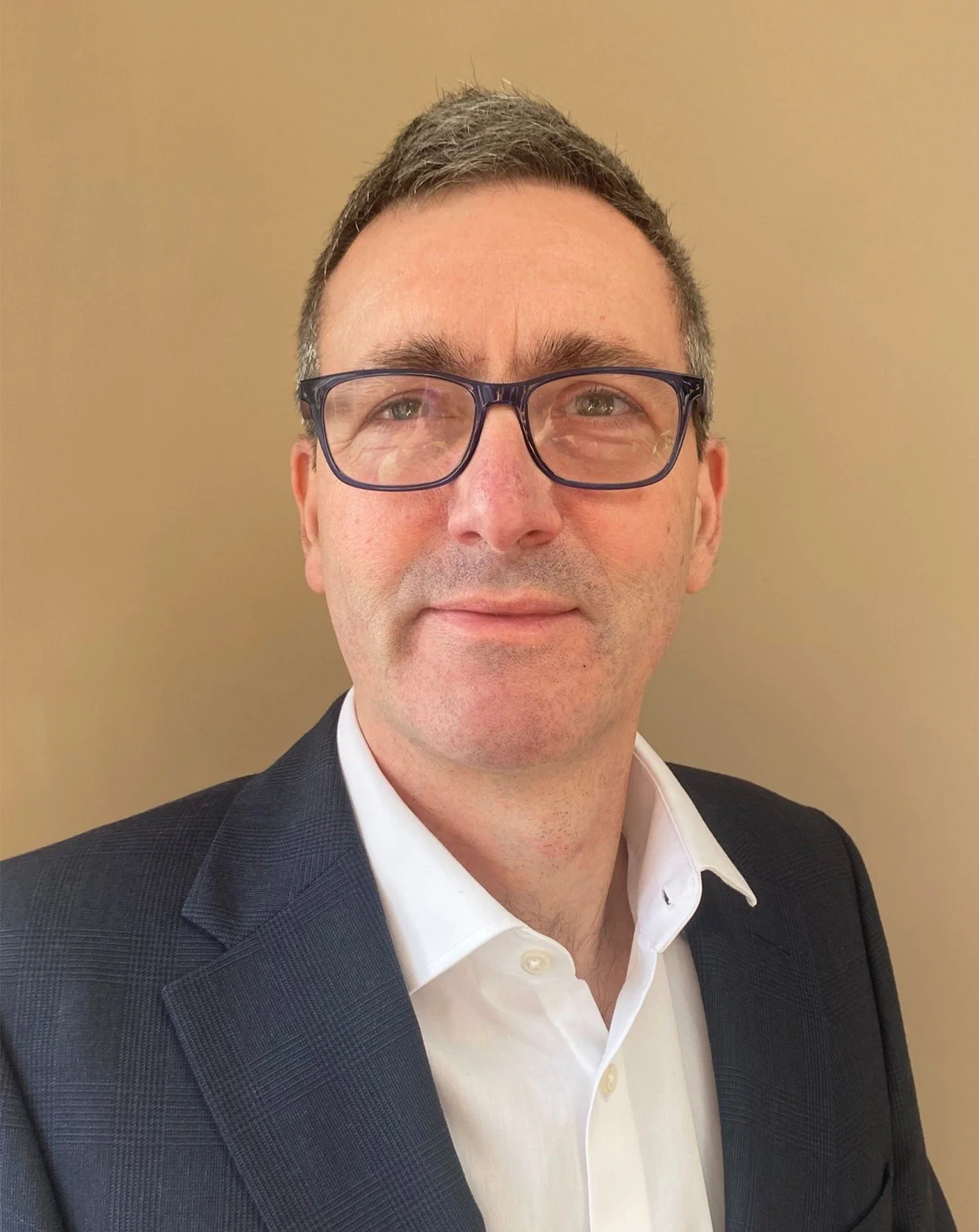
I’m David Panni, founder of Tacitura. For more than 25 years I worked in senior technical and commercial roles inside a premium multinational OEM, making decisions where the cost of being wrong was measured not in weeks or budgets, but in years, reputation, and millions of pounds.
That experience shaped how I think about engineering, risk, and judgement—and ultimately why I founded Tacitura.
Why Tacitura exists
Founding Tacitura was a deliberate step. After years of driving change inside a large organisation, I saw a clear opportunity to take the pace, urgency, and practical mindset I’d learned at JCB and apply it directly to the problems my clients face.
By combining my technical depth, governance experience, and the Tacitura™ Method, I help organisations with challenges such as technical due diligence, AI adoption, and knowledge continuity—making implicit assumptions explicit, stress‑testing decision frameworks, and exposing hidden dependencies before they become costly surprises.
Where this all started: inheriting accountability
Early in my career at JCB, I was given a responsibility that shaped how I see organisations forever.
I became custodian of structural integrity at a moment when a number of highly experienced engineers — people who had contributed enormously to JCB’s exceptionally strong reputation for structural integrity and long‑term reliability — were approaching the later stages of their careers.
Their combined experience was extraordinary. One had recently retired, and two more were nearing retirement. Between them, they carried almost a century of practical insight. Much of that insight lived in their heads simply because it had been built over decades of hands‑on problem‑solving — the sort of tacit knowledge that naturally accumulates in any long‑standing engineering team.
Now, 23 years on, I recognise the same quiet confidence in my own problem‑solving that I once saw in those who came before me — earned in much the same way.
That experience changed how I saw organisations. I realised that when critical knowledge walks out of the door, companies don’t just lose information—they lose judgement, confidence, and speed. Decisions slow down. Risk increases. Teams revert to expensive, reactive ways of working.

Transforming how decisions are made
As my responsibilities grew in that period, so did my determination to change how decisions were made—not just who made them.
At JCB, I led the global transformation of structural sign‑off from a traditional build it, test it, break it model into a simulation‑first approach. By bringing advanced simulation forward, we reduced reliance on costly physical testing, shortened development cycles, and significantly improved confidence in outcomes.
More importantly, we changed the quality of engineering conversations. Trade‑offs were visible early. Long‑standing and previously intractable problems could be explored virtually before hardware existed and heavy spend was committed.
This was the beginning of embracing optimisation and digital twins—not as buzzwords, but as practical tools for making better decisions sooner. Structures were removed from the critical path, and engineering pace increased without compromising reliability.
One lesson became clear and has stayed with me ever since:
Better decisions come from better context, not more data.
Seeing the pattern beyond one organisation
Alongside my industry roles, I became increasingly involved at a broader, cross‑industry level. I currently serve as Chair of the UK NAFEMS Steering Group, giving me visibility into how organisations across sectors struggle with simulation adoption, digital transformation, and decision assurance.
I also serve as a Non‑Executive Director of The Welding Institute, where I developed strong governance and oversight experience at board level—particularly around technical risk, assurance, and long‑term capability.
Across these roles, the same pattern kept appearing:
Critical knowledge concentrated in a few individuals
Growing reliance on complex models and digital tools
Decision‑makers lacking confidence in what they were being shown
The risk wasn’t just technical—it was commercial and strategic
From frustration to the Tacitura™ Method
Traditional knowledge capture approaches were clearly not working. They were slow, intrusive, and produced documents that gathered dust. They didn’t reflect how experts actually think or how real decisions are made.
At the same time, modern AI technology had reached a point where it could finally help—if used carefully and responsibly.
This led to the development of the Tacitura™ Method: a human‑centred approach that focuses on capturing that valuable knowledge using a structured approach and my experience of working in a fast past engineering environment. This knowledge can then be stored and disseminated via inductions, training or increasingly AI tools that are becoming widespread.
The aim is simple: to preserve hard‑won expertise and turn it into a practical asset that improves decision‑making speed, confidence, and resilience.

Why I founded Tacitura
After years of driving change inside a large organisation, I saw a clear opportunity—and a responsibility—to take what I had learned and apply it more widely.
Tacitura was founded to bring:
The urgency and pragmatism learned in industry
Deep technical and simulation expertise
Strong governance and risk awareness
into the problems my clients face every day.
Today, I work with engineering‑led organisations on challenges using tools such as AI adoption, knowledge capture and simulation strategy—helping them frame problems correctly, surface hidden risks, and make confident decisions when it matters most.
My promise to clients
If you choose to work with me, you get more than advice. You get a partner who:
Understands the real cost of lost knowledge
Brings calm, structured thinking to complex decisions
Applies modern tools responsibly to create lasting value
Tacitura is about making the invisible visible—so your organisation can keep moving forward, even as people, tools, and technologies change.
Based in Loughborough, Leicestershire UK. Working with engineering‑led teams wherever critical decisions are made.